How to Know When to Stop Painting (Before You Overwork It)
Struggling to know when a painting is done? Here’s how I loosen up a stiff piece, spot the fussy stage, and stop before I overwork it.


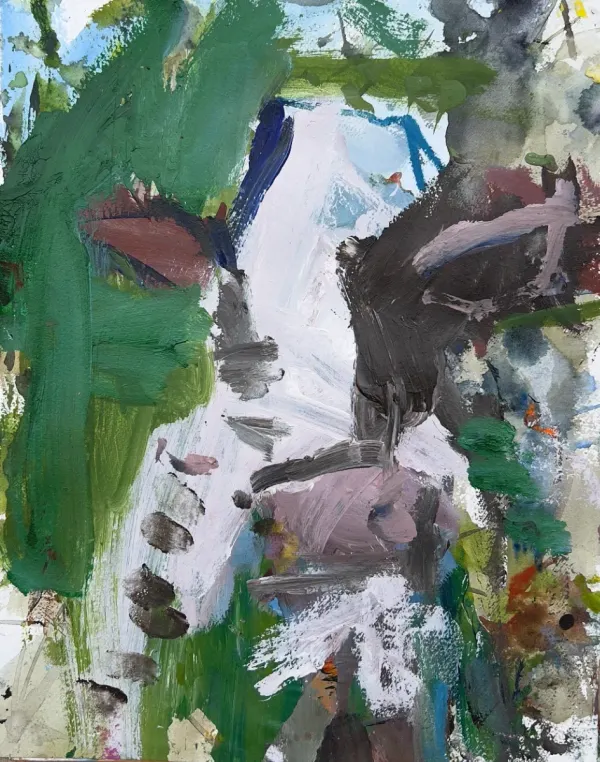
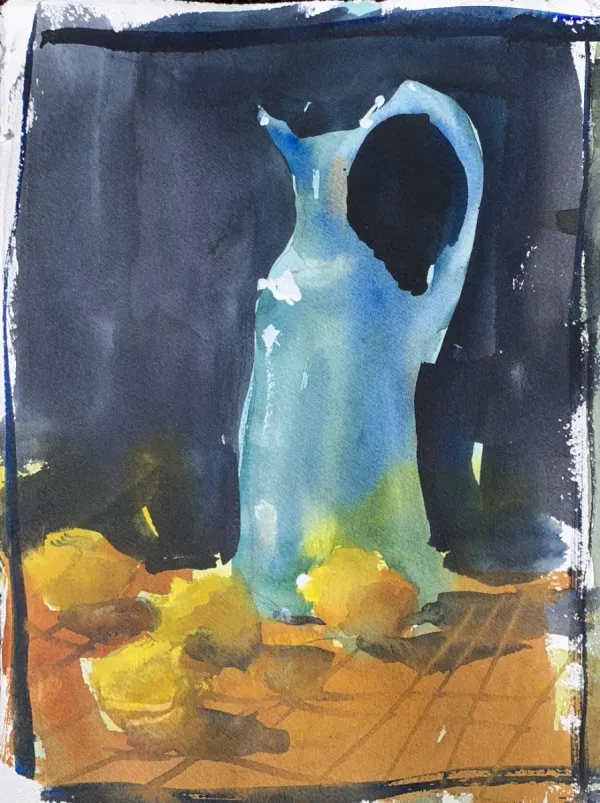
Knowing when to stop is one of the hardest parts of painting, especially in a loose style. Here’s how I handle it, using a quick painting of three soda cans.
Why I stopped painting huge
I fell into the trap of thinking I had to paint big. I’m talking 72-inch pieces, with stretcher bars I built myself. They sat around for four years collecting cobwebs.
Eventually I ran out of room, broke the stretchers apart, and ripped the canvas into smaller pieces. (Some of the wood became a campfire for s’mores, which were pretty good.) The painting in this post is on one of those scraps. If you want to use up your own leftovers, see make handmade collage paper from leftover paint.
Pick a simple subject
I didn’t want a complex landscape or cityscape. I just wanted to get the brushes flowing, relax, and have fun. Cans are great. Somehow I’ve built a whole grocery aisle without meaning to. The effort goes into how you handle it, not the subject. See also paint everyday objects.

Want to Paint Loose Acrylics, Slacker? Learn the fundamentals, loosen up your brushwork, and develop your own expressive style.
Loosen up when it gets stiff
About halfway through, the painting felt stiff. So I smeared the paint around to loosen it up. I also used acrylic ink, which is a great way to get color down fast, and it mixes well with paint. Need more ideas? Check out 10 tips for painting loose.
Know when to stop
The brain says, “One more detail. One more hard edge.” Even after 15+ years, I still have to remind myself:
- You’ve been working in this area too long.
- You’re getting fussy.
- Let it go.
The imperfections have to become part of the final piece. For more, see embrace imperfect art.
Nothing is precious
Whether it’s a $1,500 canvas or a scrap strip off the floor, nothing’s precious enough to hold on to if it’s not working. A simple subject done loose can hit just as hard as a big, elaborate landscape.
Learn Structure. Paint Loose.
Construct. Deconstruct. Explore. Repeat.
When to stop painting FAQ
How do I know when a painting is finished?
When you start getting fussy, fixing tiny things, or reworking one area too long. That’s your cue.
What if my painting feels stiff?
Smear or blend the paint to loosen it up, and stop worrying about edges.
What is acrylic ink?
Fluid, pigmented ink that gets color down fast and mixes well with acrylic paint.
Do I need big canvases?
No. Small pieces are easier to finish, and simple subjects can look just as strong.