10 Tips for Painting Loose (That Actually Work)
Want to paint loose? Here are 10 tips that work: draw loose, paint on paper, keep it simple, mix media, and stop chasing finished art. Plus a bonus tip.

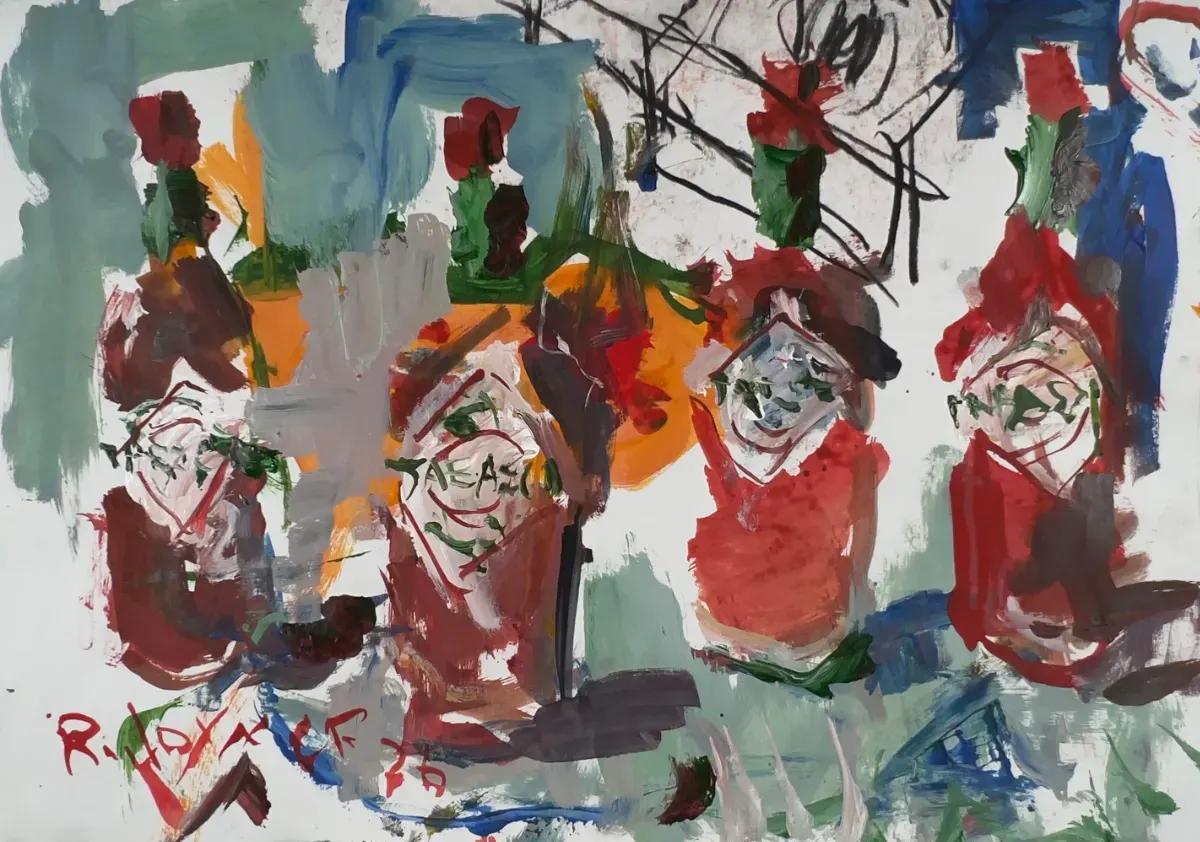
Want to paint loose? Here are my top 10 tips, plus a bonus tip at the end for anyone who sticks around.
This one is painted over a reject. I tried to make a real loose bottle painting and it fell apart, which is great, and I’ll come back to that.
1. Don’t focus on finished art
That’s the whole game. See why loose painting takes practice.
2. Draw loose to paint loose
Start with a pencil, crayon, or ink marker before you pick up a brush. It builds your range of movement without wasting expensive paint and canvas. Try how to draw loose.

Want to Paint Loose Acrylics, Slacker? Learn the fundamentals, loosen up your brushwork, and develop your own expressive style.
3. Paint on paper first
Canvas can be intimidating. Paper trains your brain not to be precious about every mark.
4. Keep the subject simple
Elaborate scenes are a recipe for disaster. Simple subjects get you into the process faster. Try the chair painting exercise.
5. Mix your media
Watercolor, crayon, acrylic, collage. Once you have layers down, you’re solving real problems instead of following a scripted plan. See how to start mixed media.
6. Watch your time
Spend a quarter of your studio time on finished work if you have to, and the rest exploring and experimenting. If you’re spending most of your time on finished paintings, you’re doing it wrong.
7. Watch your range of movement
If you hold the brush at the very end like you’re writing, you’ll make short, choppy, timid strokes. That’s great for accents, but for long, bold strokes, back away from the bristles. You can even hold the end of the handle. See loosen up your drawing.
8. Develop your range of vision
Hang up the messy, half-falling-apart work and get used to seeing it that way. That’s where you find the good imperfections. If you haven’t adjusted to seeing your work loose and messy, you’ll never appreciate expressive artwork. See embrace imperfect art.
9. Leave things halfway done
We’re wired to finish what we start, but stopping partway lets you see your work at a stage you almost never get to see. See why I let unfinished art sit.
10. Don’t expect immediate results
Painting loose is much harder than it looks. The stuff worth doing takes longer than you think. Stick with it.
Bonus tip: keep your rejects
If you don’t have a pile of rejects, you’re probably not really going for it. They make great starters for your next exploration. See what to do with paintings you hate and how to paint over an old acrylic painting.
Want a free next step?
There’s always a process behind every artist. This is what I live in the studio every day. If it connects with you, check out the free 5-minute video that will change how you approach your artwork, or explore my Learn page.
Learn Structure. Paint Loose.
Construct. Deconstruct. Explore. Repeat.
Tips for painting loose FAQ
What’s the best tip for painting loose?
Stop focusing on finished art. Treat painting as exploration.
Should I paint loose on paper or canvas?
Start on paper. It’s less intimidating and keeps you from being precious.
How do I hold the brush for loose strokes?
Back away from the bristles, or hold the end of the handle, for long, bold strokes.
Why do I need rejects?
They’re free starting points for exploration and show you’re taking risks.