
Lobster Boat Drawing Study
Explore a lobster boat through graphite, charcoal, and crayon in this video drawing lesson about observation, varied marks, and getting to know your subject.
Explore a lobster boat through graphite, charcoal, and crayon in this video drawing lesson about observation, varied marks, and getting to know your subject.

Wondering how to start mixed media painting? Here’s how I got into it 20 years ago with crayons and watercolor, and how old rejects became my starting point.
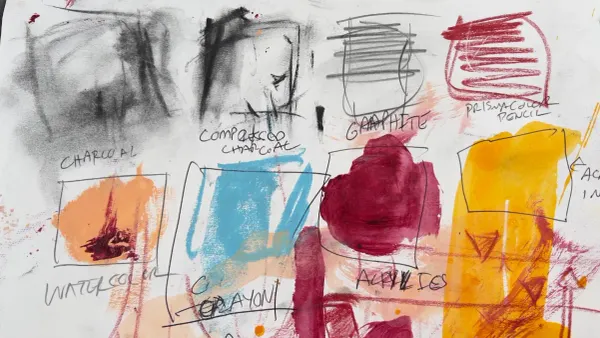
You’ve been throwing away your best starting points. Learn how your media behave and mix, then turn failed experiments and old sketches into the foundation for something new.

Most acrylic courses teach you how to finish a painting. This one teaches you how to think with paint. Use structure, value, color, and time to push your acrylics from controlled to loose and expressive.

You’ve been treating watercolor like it’s going to break. It’s not. Start with structure, then progressively let it go until the looseness is earned, not accidental.

Your color work isn’t a color problem. It’s a value problem. Learn to see and control light and dark first, so you can stop chasing the perfect color and make more convincing paintings.

Most painting problems aren’t paint problems. They’re composition decisions you never made. Learn a simple pre-painting system so you know what the painting is about before the brush goes down.

You don’t have a drawing problem. You have a thinking problem. Build structure, break it apart with intention, then use time and repetition to draw simpler, looser, and more expressive.

Stop sketching, start seeing. Learn to break any subject into simple forms and draw with confidence in 20 lessons. Start of the Deconstruction Lab.
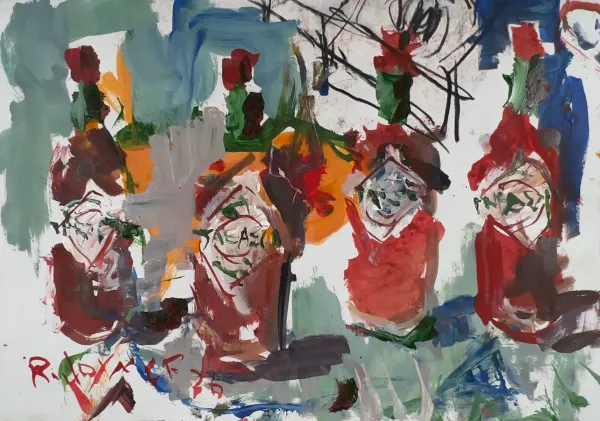
Want to paint loose? Here are 10 tips that work: draw loose, paint on paper, keep it simple, mix media, and stop chasing finished art. Plus a bonus tip.

Practice loose wet-on-wet watercolor with bananas. Paint four studies, leave the first unfinished, and learn to scrub out and blot when a wash goes wrong.
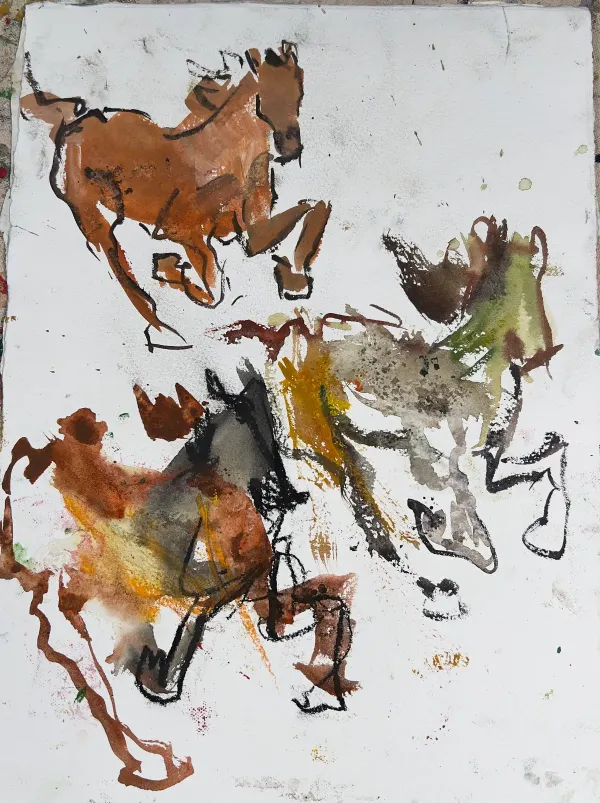
Learn how to paint a horse loosely with acrylic, charcoal, and watercolor. Focus on rhythm and movement, then simplify, lose edges, and let the painting breathe.
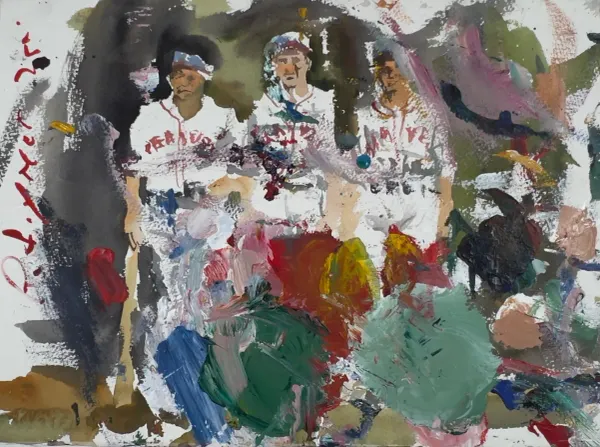
Mixed Media
I used a reject watercolor as a throwaway palette for acrylics, and the accident turned out better than the original. Here’s how mixing paint can become art.
Mixed Media
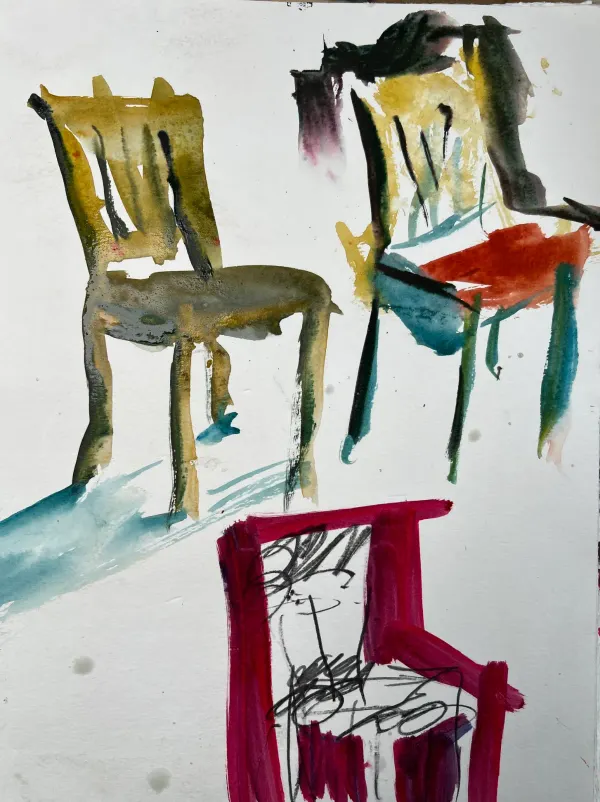
Try this chair painting exercise to loosen up. Paint one simple subject several times, starting with watercolor and adding ink, crayon, graphite, and acrylic.
Mixed Media
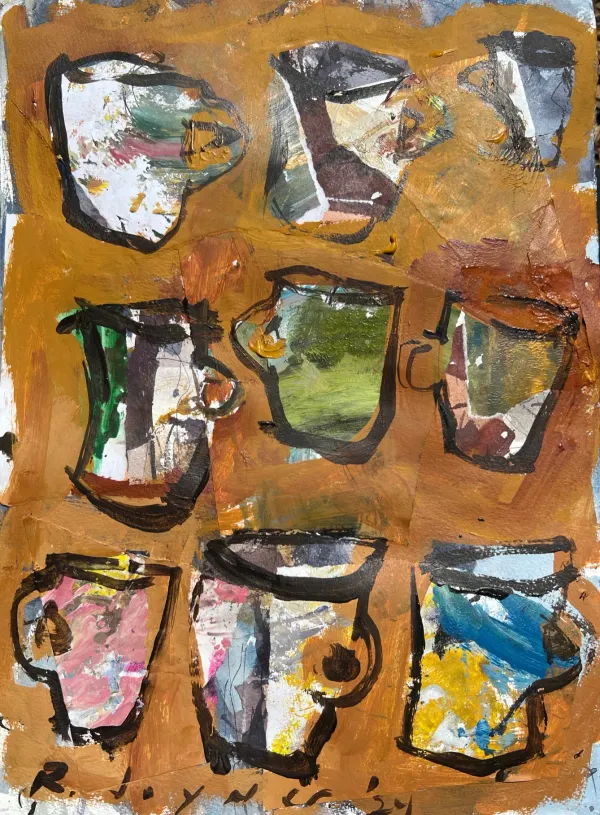
Make a mixed media cup collage with torn scrap paper and negative space painting. A fun, loose project that covers up a reject and turns scraps into art.
Watercolor
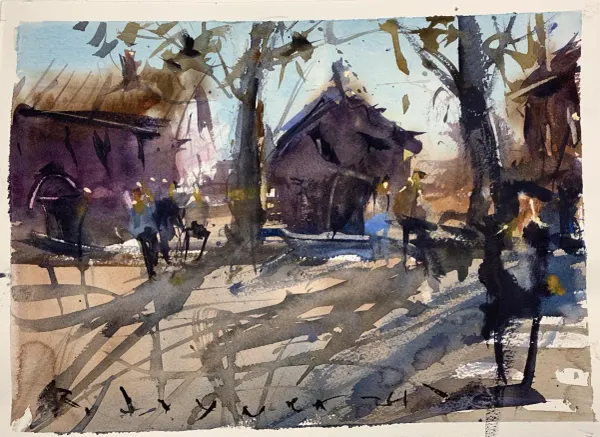
Loose watercolor isn’t careless. Learn the design, value, and movement thinking that supports expressive painting, and why structure makes your work freer.

Watercolor
Learn how to choose a focal point in watercolor. Find the one thing that excites you, push it, and combine wet-on-wet with dry brush so the rest can breathe.

Process
Garage art studio with a painting table, hanging rakes and shovels, and a red tool chest in the background.
Acrylic
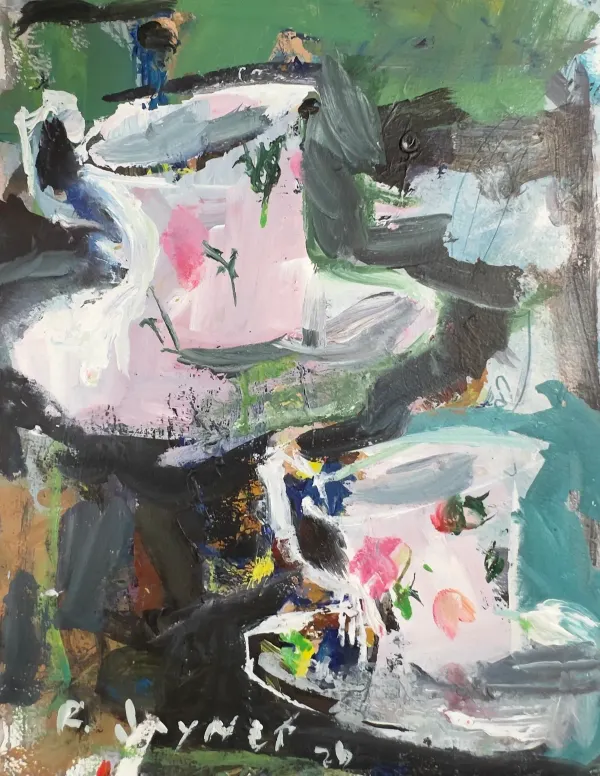
Learn how to paint over an old acrylic painting and let the layers show through. A loose 5-minute teacup exercise that turns a reject into something new.

Watercolor
Want to find your own art style? Stop copying other artists and reference photos, build your fundamentals, and learn to interpret what you see.
Mixed Media
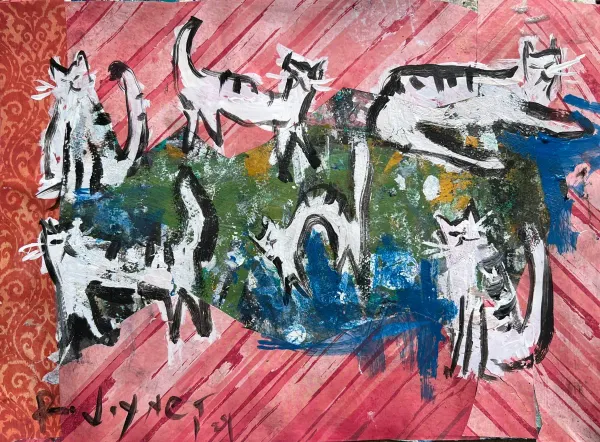
Paint loose, quirky cat silhouettes over a collaged reject. A simple mixed media idea for beginners that works with any subject: food, birds, dogs, or tacos.

Watercolor
Paint a loose watercolor barn by treating the first wash as blocks of color. Let them mingle and dry, then carve light and shadow into soft shapes.
Mixed Media
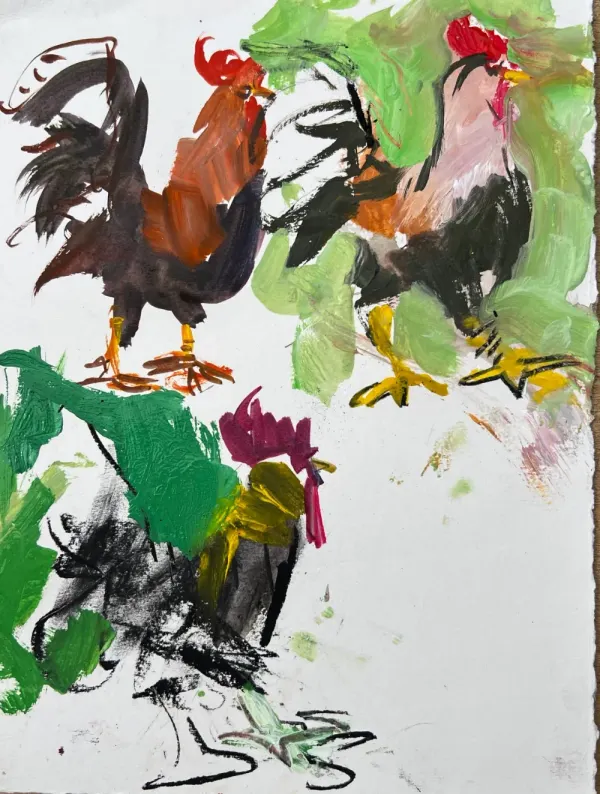
Try a loose painting progression. Paint one subject in acrylic, then push each version further from control with splashes, a palette knife, and new colors.
Mixed Media
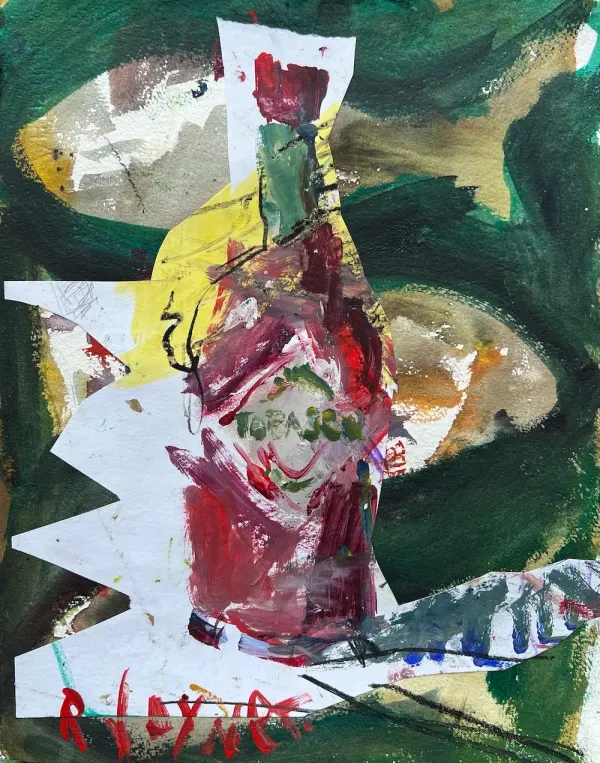
Learn a simple cut-out collage technique. Paint a bottle on scrap paper, cut it out with jagged edges, and layer it over an old watercolor for a mixed media still life.