Loose Coastal Study Mixing Acrylic and Watercolors
A loose coastal painting created with watercolor and acrylics, focused on atmosphere, abstraction, and letting the scene evolve naturally.

This piece started as a loose coastal idea and evolved naturally as I moved between watercolor and acrylic. I wasn’t trying to lock anything down early. Instead, I let shapes shift, buildings appear and disappear, and the scene find its own balance. The goal was a painterly coastal study that feels lived-in rather than designed.
Letting the Scene Emerge Naturally
I began by establishing the big shapes, keeping the paper open and allowing a lot of white to do the work. The house came and went a few times before it finally settled into place. That back-and-forth is part of the process for me. I’d rather adjust and respond than force a decision too early.

Using Mixed Media to Stay Loose
Watercolor handled the early atmosphere and distant hills, while acrylic gave me the freedom to push contrast, soften edges, and add structure where needed. I worked back and forth between the two, smudging areas, neutralizing colors, and knocking things back when they started to feel too stiff.
Finding the Focal Point
Once the water and land were established, I started suggesting boats and shadows with just a few loose marks. Nothing is fully described, but there’s enough contrast to guide the eye. A slightly darker pass in the water helped anchor the scene and gave the painting a stronger sense of depth.
A Painterly Coastal Approach
This kind of coastal painting is about suggestion and feel, not detail. I want the viewer to sense light, movement, and space without spelling everything out. That’s where mixed media really shines. It allows the painting to stay flexible right up to the end.
Want to go deeper with collage & mixed media?
👉 Explore the Mixed Media Hub
👉 Browse Collage Painting Ideas
👉 Dive into the Garage Collage Barrage
Supplies I Use All the Time
These are my go-to materials for almost every mixed media project I create. Do I add new ingredients occasionally? You betcha! But these are the go-to materials I rely on most. I know how they behave, how they layer, and how to get the best results from them.
- Acrylic Paints – I only buy heavy body for their thick texture and thin them with water for fluid glazing and washes. See my favorite set →
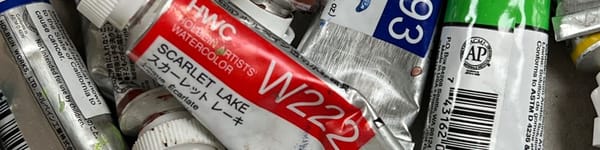
- Watercolors Paints – Great for transparent layers and unexpected color effects. Exact colors are below. Shop my watercolor picks →
- Acrylic Inks - Excellent way to add transparent layers to mixed media artwork. Mixes well with everything! See the inks →
- Synthetic Acrylic Brushes - You need a variety and I have listed my go-to's below. I use Princeton brands, very dependable! See the brushes →
- Watercolor Brushes - Get a decent grade but avoid all-natural as synthetic blends have come a long way. Shop my picks →
- Collage Papers – A mix of pattered, and printed paper you see me use is from Hobby Lobby, and it's usually found in the scrapbook section. Browse paper packs →
- Palette Knives – Good to have around for scooping paint and smearing techniques. See what I use →
- Blick Super Value Canvas Packs - Comes in many small and medium sizes up to 20x16". Love em'. Best bulk stretched canvas →
- Mixed Media Paper – Sturdy enough to handle wet and dry techniques. Strathmore is the way to go! Best paper for mixed media →
- Watercolor Paper - Top choice is 140 lb. cold press by Fabriano Artistico. Cost effective and crispy white. Best watercolor paper →
- Caran d'Ache Water-Soluble Crayons – Perfect for adding scribbles and linear interest to mixed media art. Check them out →
- Gator Board - Best firm boards you can find! Buy a large sheet and cut out down. These are used as backing for my paper when I paint. Check it out →
- Mod Podge - Reliable and affordable adhesive for paper, thick and thin. And get the Matte! View the glue →
My preferred hues; Cadmium Yellow, Yellow Ochre, Alizarin Crimson, Cadmium Red Light (or Medium), Ultramarine Blue, Cobalt Blue, Burnt Sienna, Titanium White
My preferred acrylic brushes; #12 Large round, 2x Medium rounds, 2x Detail, or liner brushes, Large and medium fan brush, a few medium size bristles and old, small house painting brush for glue.