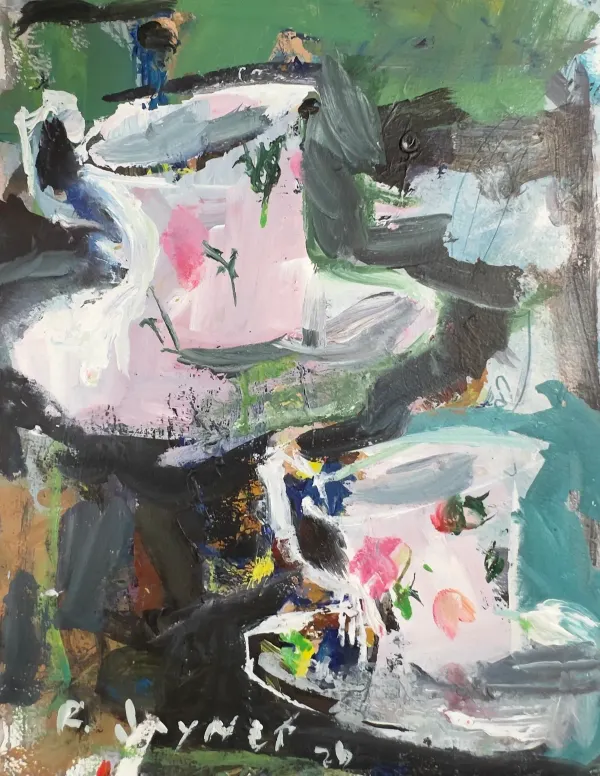
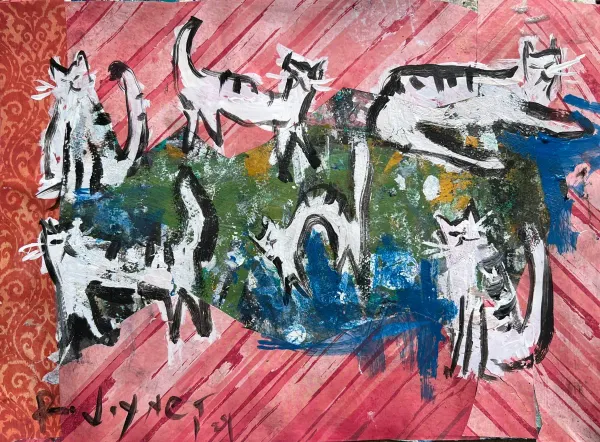
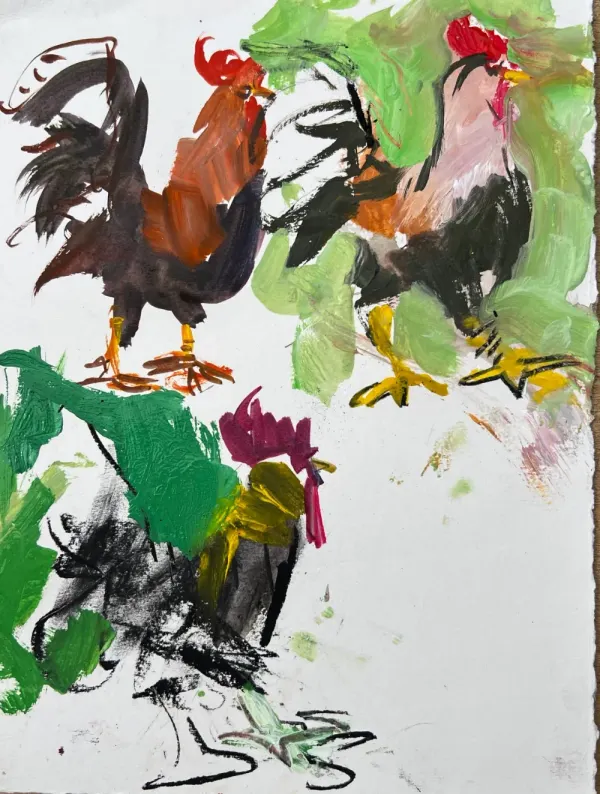
How to Find Your Own Art Style: Stop Copying and Start Interpreting
Want to find your own art style? Stop copying other artists and reference photos, build your fundamentals, and learn to interpret what you see.


Art is a relationship. Keep doing the same thing over and over and it starts to feel stale. Stay curious, experiment, and keep the conversation going, and it grows.
In this post, I talk about how I stopped trying to paint like everyone else, and how you can find your own art style.
Stop hiding behind other artists
Early on, I tried too hard to paint like other artists, borrowing their styles, approaches, and solutions. Deep down I knew it wasn’t really mine.
Imitation can teach you a lot early on. But eventually you have to stop hiding behind other people’s voices and develop your own. That’s where growth becomes personal.
Don’t treat the reference photo as sacred
I also copied photographs too closely, treating the reference like it was something sacred instead of something flexible. But there’s no such thing as a perfect photograph, and even if there were, why recreate a camera?
The goal isn’t to copy the reference. It’s to interpret it, respond to it, and make it personal.
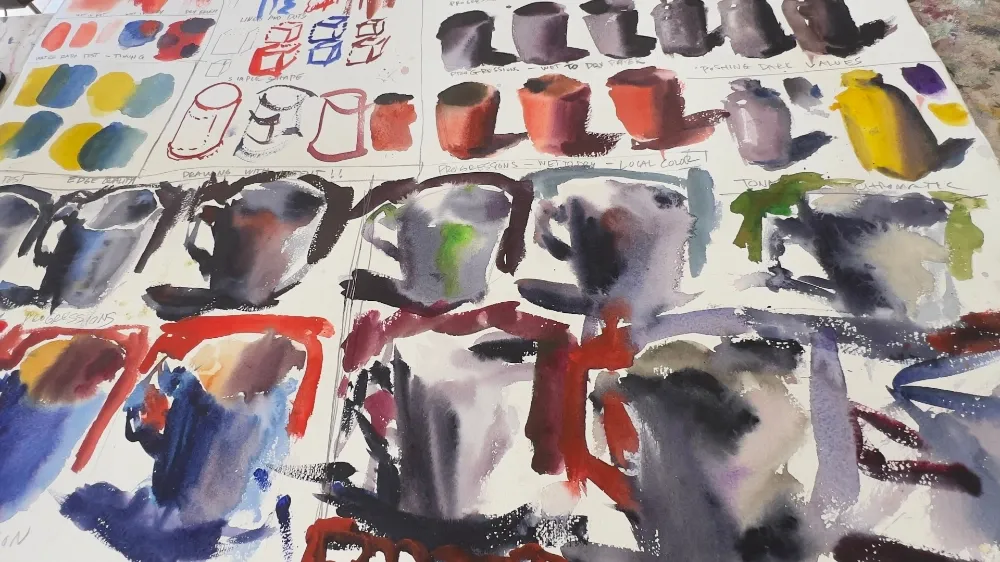
Want to Paint Loose Watercolors, Slacker? Learn the fundamentals, ditch perfection, and develop your own expressive style.
When something feels off, listen
Artists know when something is off. Sometimes a painting falls apart because:
- The composition is weak
- The drawing isn’t solid enough
- You rushed in without connecting to the idea emotionally
A lot of artists just move on to the next painting and hope it improves. I did too. But the same problems keep showing up until you deal with them.
Fundamentals give you freedom
That’s why I think fundamentals matter so much. Not because they make rigid art, but because they let you express ideas more honestly. I avoided drawing, values, and composition for a while. I understood enough to get by, but not enough to feel free.
Once you understand the basics, you stop trying to paint like everyone else and start learning how you naturally see the world. That’s where style and authenticity begin. If you need a place to start, try the construct and deconstruct drawing exercise, the watercolor value study, or why you need to draw it first.
Paintings that feel alive vs. timid
Viewers can feel the difference. Some paintings feel relaxed, alive, and truthful. Others feel cautious, tight, and afraid to make mistakes. For more on that, see why your watercolors look stiff and how to paint loose.
Try it yourself
- Pick a reference photo.
- Change something on purpose: simplify a shape, shift a color, or leave something out.
- Notice what feels like you.
- When a painting feels off, ask why (composition, drawing, or idea) before you start the next one.
Next time something feels off in your work, don’t ignore it. Your art is usually trying to tell you something important.
Learn Structure. Paint Loose.
Construct. Deconstruct. Explore. Repeat.
Finding your art style FAQ
How do I find my own art style?
Build your fundamentals, stop copying other artists, and pay attention to how you naturally see and interpret things.
Is it okay to copy other artists when learning?
Yes, early on. Imitation teaches a lot, but eventually you need to develop your own voice.
Should I copy my reference photo exactly?
No. Treat it as something flexible. Interpret it and respond to it instead of recreating it.
Why does my painting feel off?
Usually the composition, the drawing, or the emotional connection to the idea. Fix that before moving on.