How I Make Expressive Collage Paper
I show how I make expressive collage paper using watercolor, scrap paper, and loose mark-making to create versatile materials for future paintings.


One of my favorite studio habits is making my own collage paper using watercolor and scrap drawing paper. It’s inexpensive, fast, and removes all pressure from the process. I’m not trying to make anything “good” here. I’m just staining paper, making marks, and building a pile of expressive material I can use later in paintings, collages, or mixed media work.
What Paper and Tools I Use
I use whatever scrap paper I have around. Old sketches, studies, demo paper, or cheap drawing paper all work. Thin paper is actually ideal because it stains quickly and creates interesting textures. For tools, any watercolor brush will do. I often grab a large mottler brush, but nothing fancy is required.
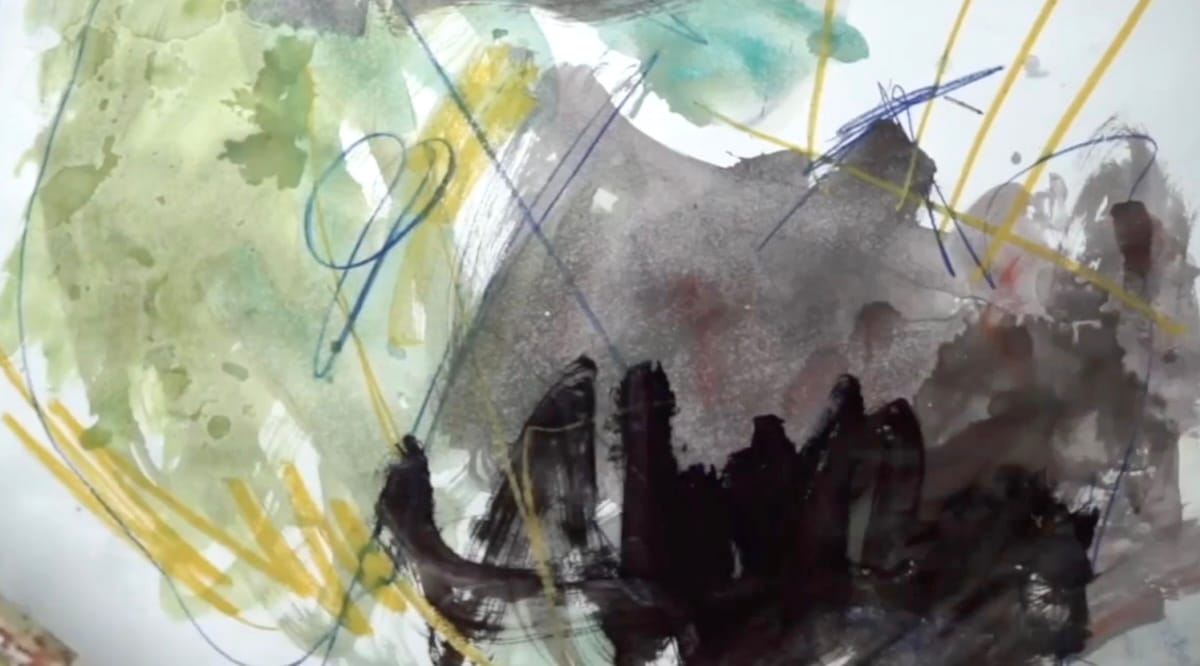
Staining the Paper With Watercolor
I start with very thin, tea-like watercolor washes and put them down loosely. I’m not planning anything. I let stains overlap, mix colors on the paper, and embrace randomness. This is where the paper starts to come alive. Thin layers keep things transparent and flexible for later use.
Adding Marks and Layers
Once the initial stains are down, I add marks using water-soluble crayons, watercolor pencils, or whatever drawing tools I have nearby. Scribbles, smears, light strokes, heavy lines, it all goes on the page. After that dries, I’ll often come back with slightly thicker watercolor to layer around the existing marks and create more depth.
Why This Process Matters
This kind of work is incredibly freeing. It breaks habits, loosens your hand, and gets you out of formula-based thinking. The result is a stack of expressive collage paper that can be used for landscapes, still life, abstracts, or anything else down the road. Nothing is wasted, and everything becomes usable material.
Want to go deeper with collage & mixed media?
👉 Explore the Mixed Media Hub
👉 Browse Collage Painting Ideas
👉 Dive into the Garage Collage Barrage
Supplies I Use All the Time
These are my go-to materials for almost every mixed media project I create. Do I add new ingredients occasionally? You betcha! But these are the go-to materials I rely on most. I know how they behave, how they layer, and how to get the best results from them.
- Acrylic Paints – I only buy heavy body for their thick texture and thin them with water for fluid glazing and washes. See my favorite set →
- Watercolors Paints – Great for transparent layers and unexpected color effects. Exact colors are below. Shop my watercolor picks →
- Acrylic Inks - Excellent way to add transparent layers to mixed media artwork. Mixes well with everything! See the inks →
- Synthetic Acrylic Brushes - You need a variety and I have listed my go-to's below. I use Princeton brands, very dependable! See the brushes →
- Watercolor Brushes - Get a decent grade but avoid all-natural as synthetic blends have come a long way. Shop my picks →
- Collage Papers – A mix of pattered, and printed paper you see me use is from Hobby Lobby, and it's usually found in the scrapbook section. Browse paper packs →
- Palette Knives – Good to have around for scooping paint and smearing techniques. See what I use →
- Blick Super Value Canvas Packs - Comes in many small and medium sizes up to 20x16". Love em'. Best bulk stretched canvas →
- Mixed Media Paper – Sturdy enough to handle wet and dry techniques. Strathmore is the way to go! Best paper for mixed media →
- Watercolor Paper - Top choice is 140 lb. cold press by Fabriano Artistico. Cost effective and crispy white. Best watercolor paper →
- Caran d'Ache Water-Soluble Crayons – Perfect for adding scribbles and linear interest to mixed media art. Check them out →
- Gator Board - Best firm boards you can find! Buy a large sheet and cut out down. These are used as backing for my paper when I paint. Check it out →
- Mod Podge - Reliable and affordable adhesive for paper, thick and thin. And get the Matte! View the glue →
My preferred hues; Cadmium Yellow, Yellow Ochre, Alizarin Crimson, Cadmium Red Light (or Medium), Ultramarine Blue, Cobalt Blue, Burnt Sienna, Titanium White
My preferred acrylic brushes; #12 Large round, 2x Medium rounds, 2x Detail, or liner brushes, Large and medium fan brush, a few medium size bristles and old, small house painting brush for glue.