Compositions That Work
Most artists know about composition, but that doesn’t mean they know how to actually use it.
You may understand the rule of thirds, try to place things “correctly,” and still end up with paintings that feel flat, awkward, or disconnected.
This course focuses on the practical side of composition — how to design paintings so they feel natural, balanced, and intentional.
You’ll explore the traditional rule of thirds, my alternative approach, cropping and framing, close-up versus wide compositions, and common problems like tangents and equality.
You’ll also see these ideas applied to real landscape examples so you can understand how to use composition in actual painting situations rather than just memorize theory.
-
The Frame
Four main edges
-
The Grid
Common approach
-
Alternative Option
My favorite
-
Examples
In action
-
Scale
Three options
-
Examples
In action
-
Equality
Good and bad
-
Tangents
Common issues
-
Walkthrough
Bringing it together
-
Assignment
Your turn
What you’ll learn
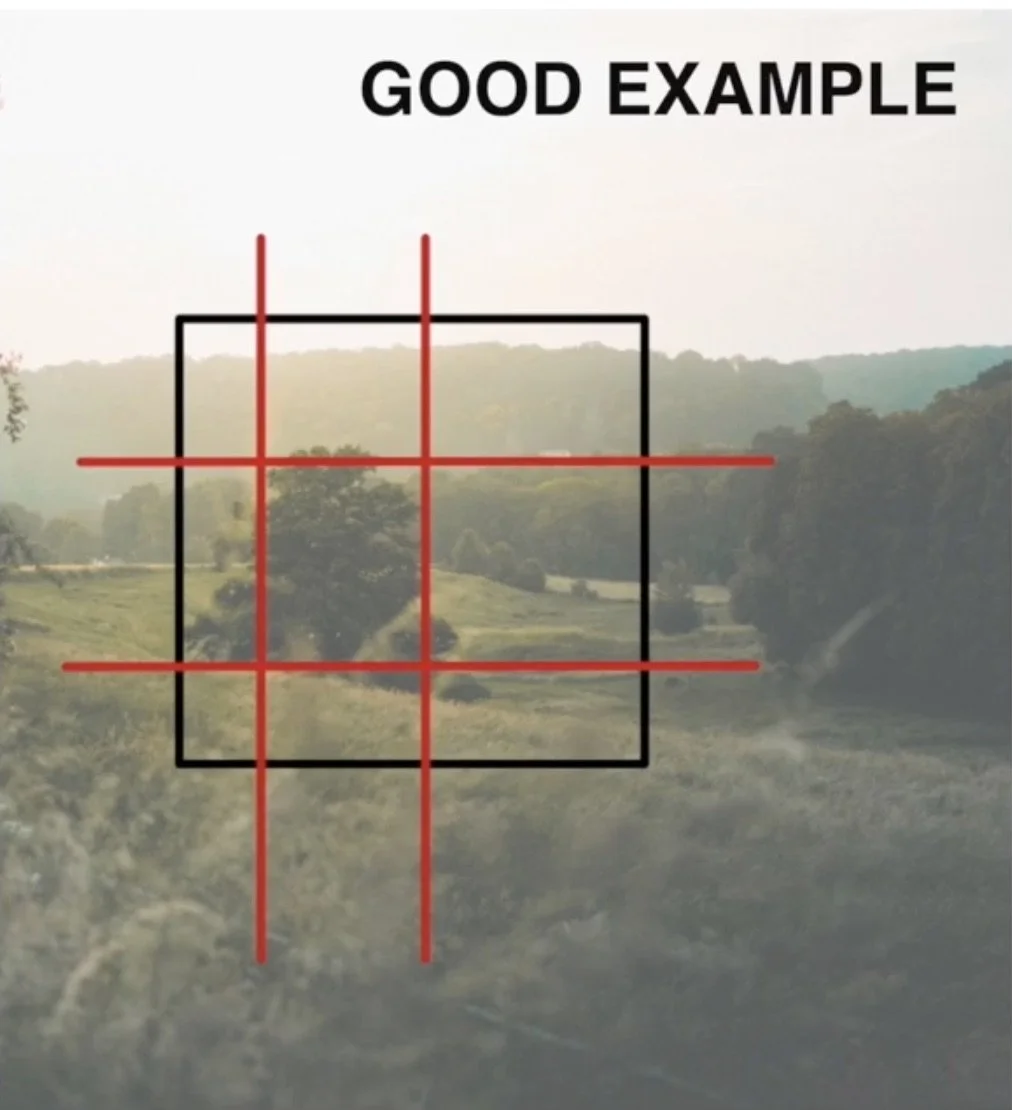
Traditional rule of thirds — and its limitations
My alternative rule of thirds
How to crop references for stronger designs
Close-up, mid-range, and wide compositions
How to avoid tangents and equality
Better edge and spacing decisions
How to design before you paint
Assignment
Apply the composition ideas from the course to a reference image and redesign it before painting.