Most acrylic courses teach you how to finish a painting.
This one teaches you how to think with paint.
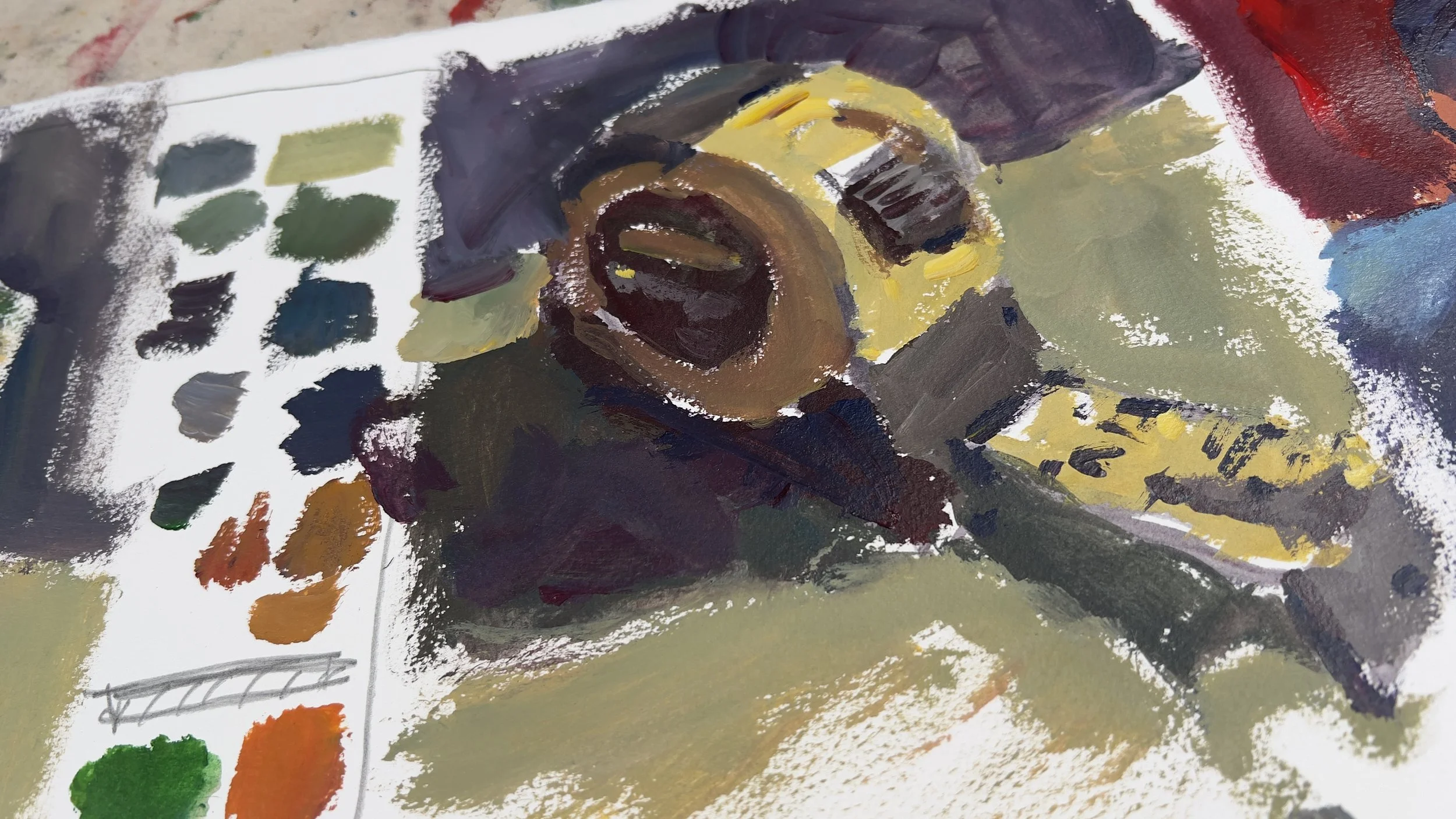
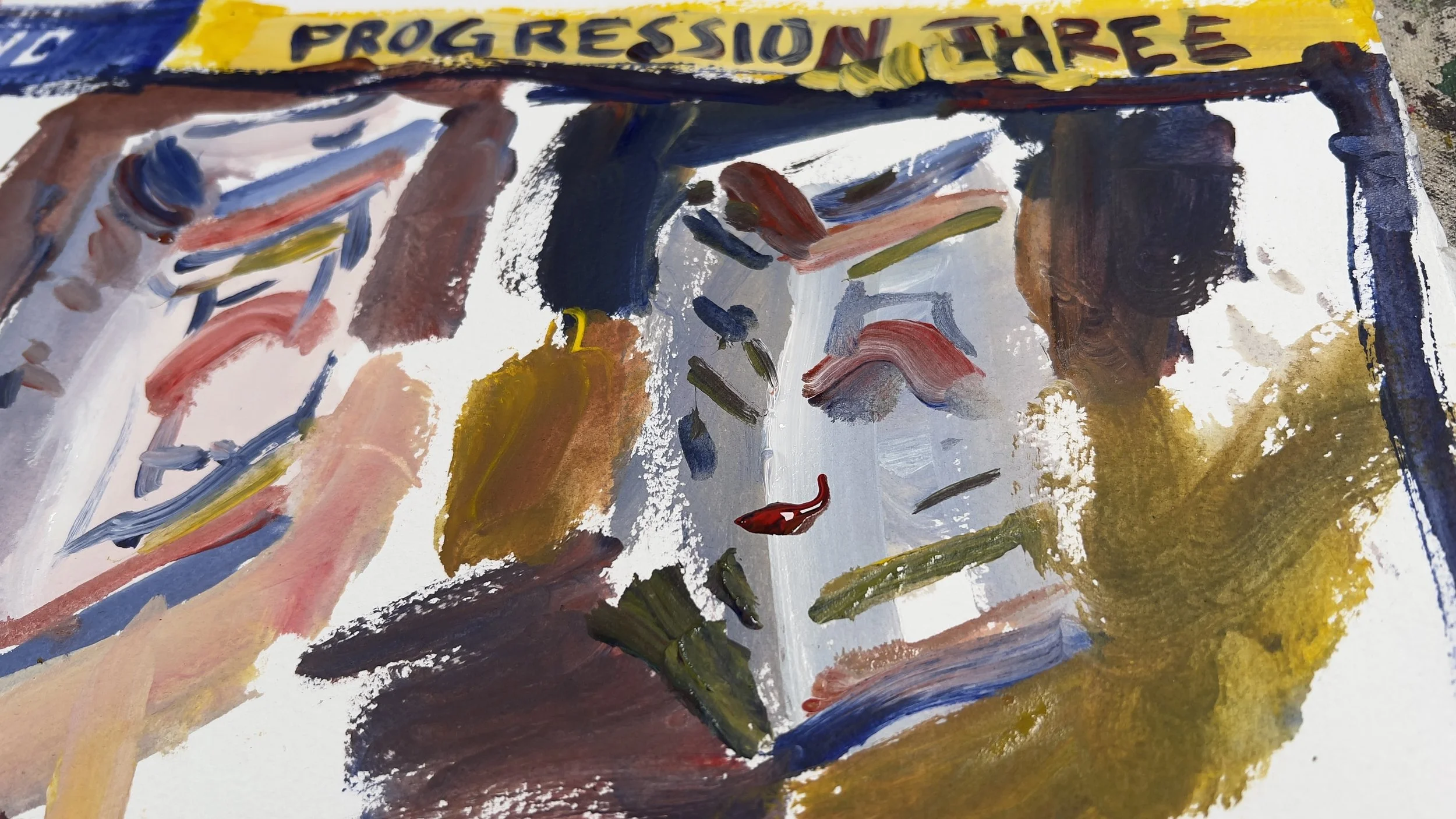
Acrylic Progressions is the fifth course in the Deconstruction Lab ecosystem — putting everything you've learned about structure, value, and mark-making through a medium that forgives nothing and rewards everything.
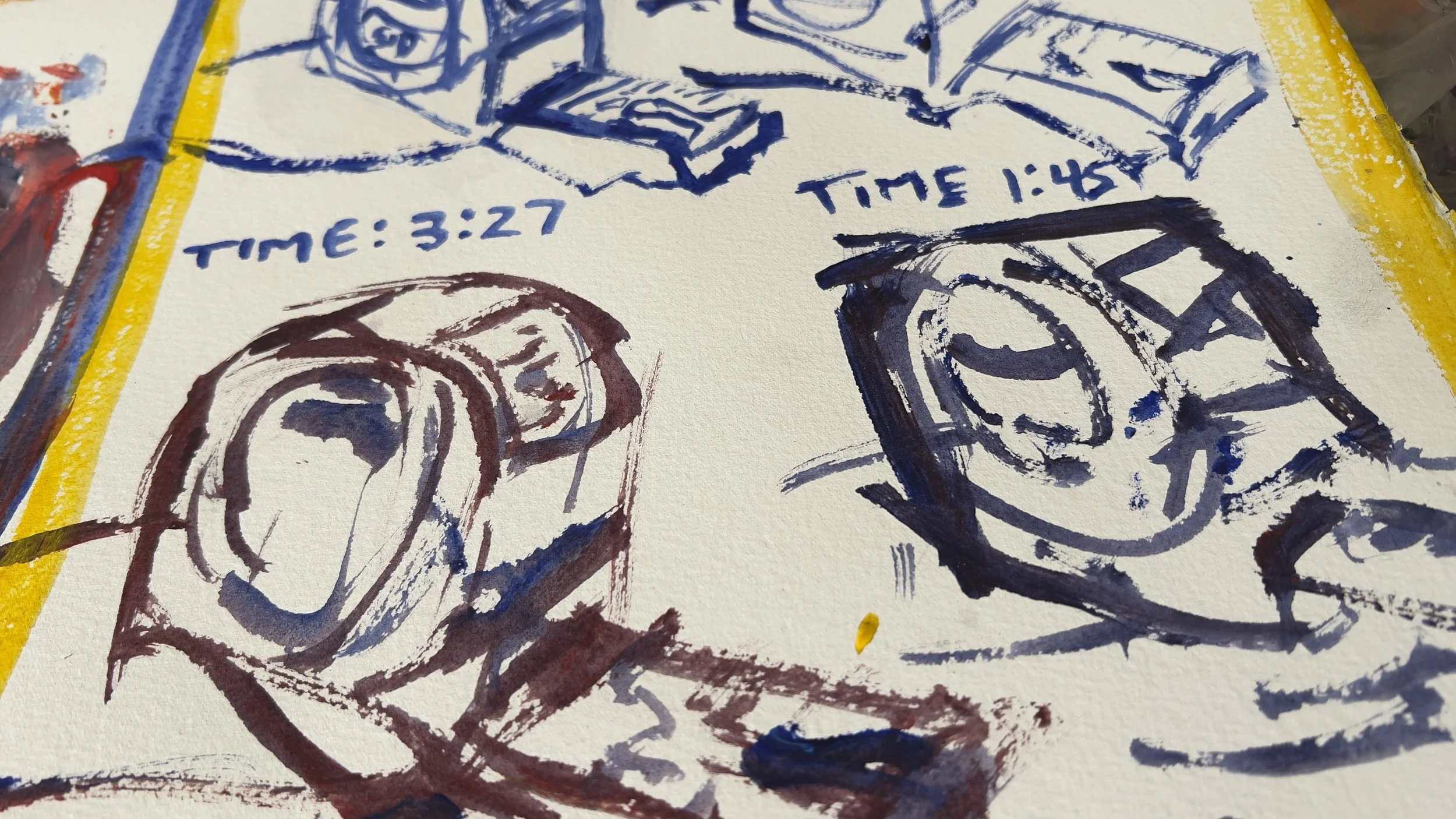
You'll start with the material itself — water, transparency, opacity, and layering. Then you'll draw with a brush, same rules as always, different tool. Then the clock comes out — same object, less time, repeat, until the painting falls apart and you find out what actually survives.
Then form. Color. A lane you commit to before the brush hits the canvas. And finally, the whole system running together — construct, paint, simplify, compress, deconstruct, repeat.
What You'll Learn
How acrylic paint actually behaves — water, transparency, opacity, layering
How to draw with a brush using grip, mark, and range of motion
How to use time compression to build instinct and loosen up physically and mentally
How to build form using contour, negative space, and interior information
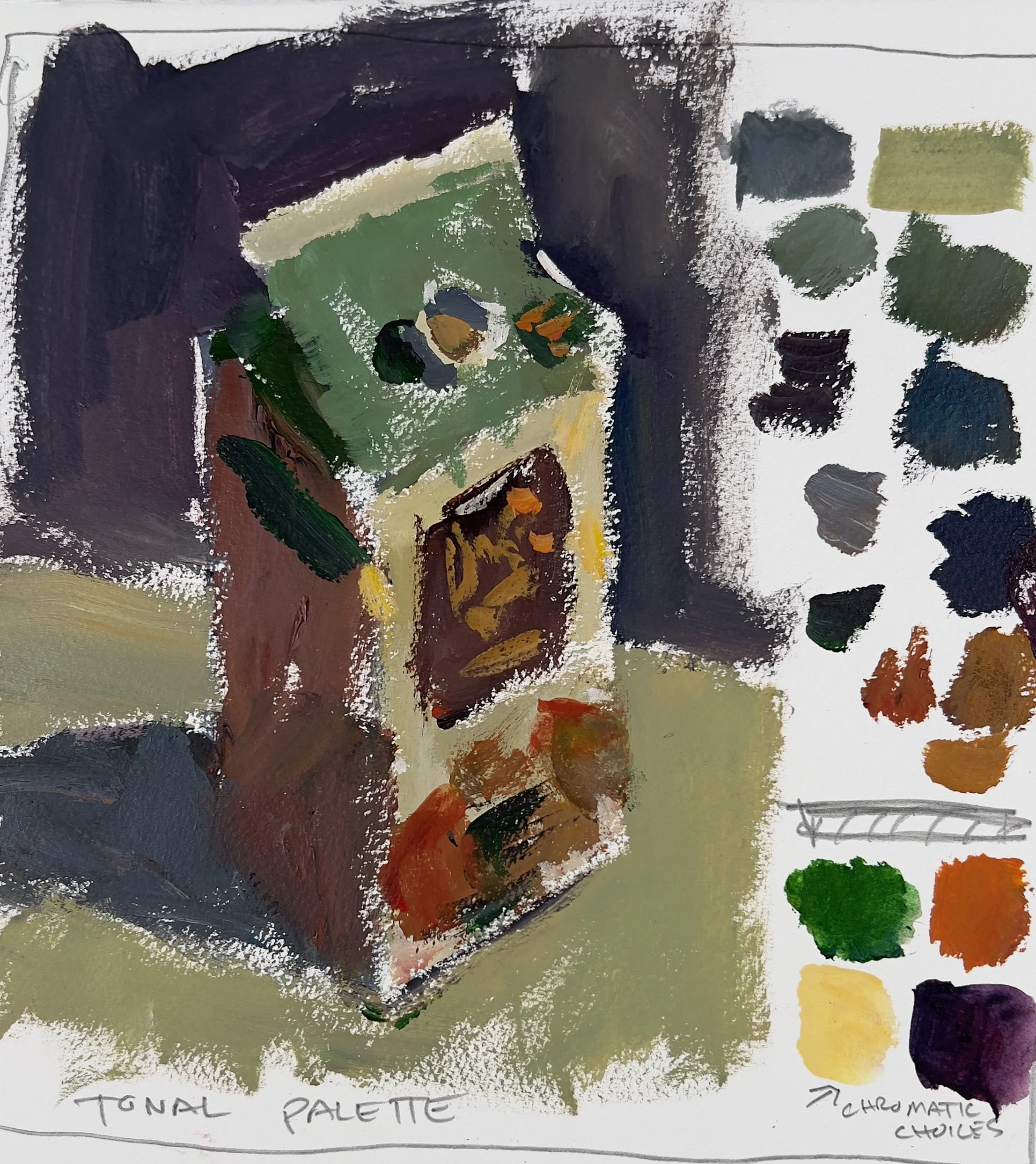
How to apply a tonal or chromatic color lane with full commitment
How to run the complete Deconstruction Lab system in paint
Who This Is For
Students who've completed Drawing Is Everything and Values & Color
Painters who feel tight, overworked, or too precious with their paint
Anyone who's been chasing finished art and wants to stop
Materials Used
Paint
Heavy body acrylic only — any brand works, but heavy body is important.
Ultramarine Blue
Cerulean Blue
Alizarin Crimson
Cadmium Red Medium
Cadmium Yellow Light
Yellow Ochre
Titanium White
Brushes
Medium Round
Small Round
Liner / Rigger Brush
Medium Flat
Large Flat
Surfaces
2 sheets 140lb Cold Press Watercolor Paper (use acrylic paper or canvas if you prefer)
Other
Scrap cardboard (palette)
3 water reservoirs
Palette knife (for scooping paint)
Full materials list with links available on the website →
This course is part of the Deconstruction Lab ecosystem.
Acrylic Progressions builds directly on the system taught in the foundation courses. Before diving in, here's what's recommended:
Highly Recommended
Drawing Is Everything — the core philosophy and progression system. Referenced throughout this course.
Values & Color — value structure and the tonal vs. chromatic system are used extensively in every section.
Design & Composition - Pre-painting decisions. The blueprint. What goes where and why.
New to art or drawing?
Drawing Fundamentals — start here before anything else. Covers observation, line, mark making, and structural drawing from the ground up.
The Deconstruction Lab
A complete foundation pathway
Drawing Is Everything - The philosophy. Everything builds on top of this. You don't have a drawing problem. You have a thinking problem.
Drawing Fundamentals - Structure is the permission slip. This is where you build it.
Values & Color - Most painting problems aren't color problems. They're value problems. This fixes that.
Design & Composition - Most painting problems aren't paint problems. They're composition decisions you never made.
Watercolor One: Loose On Purpose - Watercolor isn't fragile. This course proves it.
Acrylic One - Most acrylic courses teach you how to finish a painting. This one teaches you how to think with paint. (YOU ARE HERE)
Mixed Media One (Coming Soon)